

Every successful property investor learns the same lesson eventually. Buying a single property is the easy part. Building a portfolio that performs, generates consistent income, appreciates steadily, and does not consume your every waking hour, is a different challenge entirely. The factor that decides which kind of investor you become is often a single one: the quality of the agent partner standing beside you.
We have spent years working alongside landlords, first-time investors, and seasoned portfolio builders in Abuja. What we have seen repeatedly is that the right agent is not a facilitator of transactions. They are a strategic partner who shapes the trajectory of an entire portfolio. Here is what to check before you choose one.
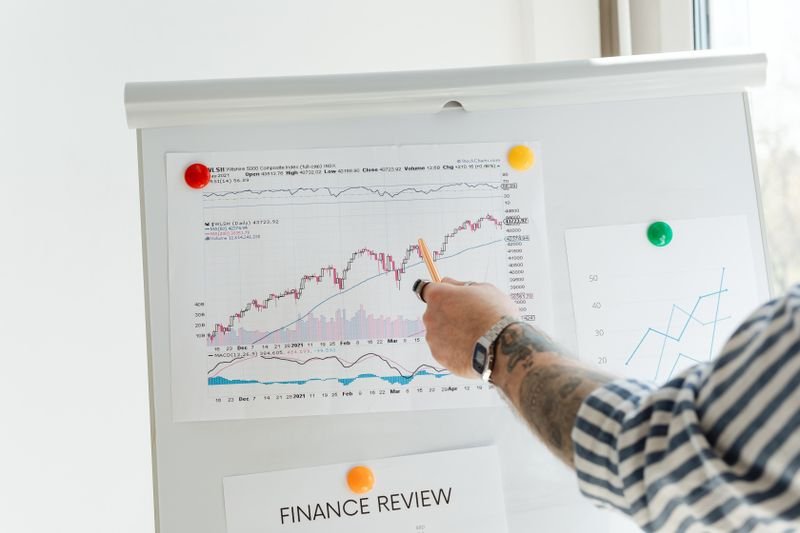
The portfolio-building mindset is different
Buying a single home to live in is an emotional decision. Building a portfolio is a financial one, and it demands a completely different kind of thinking.
A portfolio is a deliberate collection of properties working together toward a bigger goal. That requires consistency, discipline, and a long-term view that most first-time investors have not yet developed on their own. This is exactly where an experienced agent partner earns their keep. Rather than treating each purchase as an isolated event, a good agent helps you see how every new property fits the larger picture. Does this asset complement what you already own, or does it duplicate exposure you already have? Is this the right moment in your growth curve to add another unit, or should you focus on stabilising what you already hold?
Without that broader perspective, investors tend to accumulate properties reactively, grabbing whatever looks like a good deal in the moment. The result is often a scattered portfolio that is harder to manage, finance, and eventually exit. For the four stages a portfolio actually moves through, see our guide to building a real estate portfolio in Nigeria.

Local market intelligence you cannot Google
Every rental market has its own rhythm, and Abuja is no exception. Certain neighbourhoods attract long-term tenants who prioritise stability. Others see high turnover driven by young professionals or students. Some corridors are on the cusp of infrastructure-driven appreciation, while others have already peaked. This kind of granular, street-by-street knowledge rarely shows up in online listings or generic market reports.
A well-connected agent partner brings this intelligence to the table. They know which streets have upcoming development plans that will affect rental demand, which landlords in an area are struggling with vacancy and why, and which corridors have funded, under-construction infrastructure rather than only an announcement on a banner. That distinction between funded and announced is not a small one. A corridor with active construction, a real road, and rising occupancy is growing. A corridor with a signboard and a promise is not, yet.
Three of our own estate sites sit on the Airport Road corridor, De-Residence, Peace City, and Comfort City in Kuje, precisely because that is where funded infrastructure is pulling demand. When you talk to any agent about a corridor, ask what is actually built, not what is planned. Our guide to the best areas to invest in Abuja breaks down which corridors are backed by real construction today.

How to test an agent before you commit
You do not have to take an agent's word for their expertise. You can test it, cheaply, before a single naira changes hands.
- Ask about a specific street or corridor, not a general area, and see whether the answer is specific or a recycled listing description.
- Ask how a property they are showing you fits what you already own, if you own anything yet. A partner asks this before you do.
- Ask for their company registration number, and check it yourself at the Corporate Affairs Commission. A legitimate agent has no problem being checked, the way any buyer can verify our own registration, RC 9023084.
- Ask what they would tell you not to buy right now, and why. An agent with no answer is one who has never turned down a sale.
- Watch whether they mention title verification unprompted. If they do not bring up checking the Certificate of Occupancy or running a registry search before you ask, that silence is informative.
An agent who passes these five checks is behaving like a partner. One who does not is behaving like a salesperson closing a single transaction.
A price too good is a warning before it is an opportunity
Part of what a good agent partner protects you from is your own excitement. An unrealistically attractive price on a plot or a rental unit is almost never simply good luck.
Gross rental yields on documented residential property in established Abuja areas run 6 to 10 percent a year. A deal implying far more than that is usually pricing in a risk nobody has told you about yet, most often a title problem, or a seller racing to move a property before someone checks the papers. A price so low it makes no sense is not a bargain. It is a question you have not asked yet. Before you buy anything a good agent shows you, run your own verification. Our guide to how to verify land ownership in Nigeria walks through exactly how.

Why the same agent across purchases compounds in your favour
Using a single trusted agent across your whole portfolio, rather than a different one for every transaction, is not loyalty for its own sake. It changes what they can see.
An agent who tracks your full portfolio knows your existing exposure, your financing headroom, and where your last purchase left gaps. That view lets them steer you toward the property that actually improves your position, rather than the one that is simply available this month. The condition is that they have to be earning that continuity. If an agent is only ever pushing whatever inventory they happen to have, regardless of how it fits your plan, that is a sign to look elsewhere, even partway through building a portfolio. Reinvesting rental income into the next down payment, rather than spending it, is one of the habits a good long-term partner reinforces rather than one you have to remember alone.

What we do differently as a portfolio partner
We would rather talk a client out of a purchase that does not fit their portfolio than close a sale that does.
We verify every title at AGIS before we list a property, and our clients' plans are visible to us across every purchase they make with us, not reset at zero with each transaction. Across our eight named estate sites, Metro Villa, Guzape, King's Court, Comfort City, Green Villa, De-Residence, Peace City, and Solar City, we can point an investor toward what actually complements their existing holdings rather than whatever we happen to have available. If you are financing your next acquisition, our guide to financing an investment property in Nigeria covers the options. And if you already have tenants to manage across a growing set of properties, our property management guide covers what that actually costs.

Frequently asked
Below are the questions investors ask us most when they are choosing who to build a portfolio with.

Building a portfolio? Send us a message
Tell us what you already own, if anything, and what you are trying to build. We will tell you honestly whether a property fits your plan, and when it does not, we will tell you that too.
Pentagon Homes: +234 (90) 48098852, WhatsApp or call. Suite 9, Second Floor, Juslima Plaza, 22 Raphael Ogboji Street, Lugbe, Abuja. Open Monday to Saturday.
What buyers usually ask us
How do I choose a good real estate agent in Nigeria?
Check three things before you commit to anyone. Confirm they are a registered company you can verify at the Corporate Affairs Commission, not an unregistered individual. Test their local knowledge, ask about a specific street or corridor and see if the answer is specific or generic. And ask how they think about your second and third property, not just the one you are buying now. An agent who only sells you what is available, rather than what fits your plan, is a salesperson, not a partner.
What is the difference between an agent and a portfolio partner?
An agent closes a transaction. A portfolio partner asks how a new property fits what you already own, whether it duplicates exposure you already have, and whether this is the moment to diversify or to stabilise what you hold. Most first-time investors buy reactively, grabbing whatever looks good in the moment. A partner brings the discipline that turns a set of properties into an intentional portfolio.
Should I use the same agent for every property I buy?
If they are earning it, yes. A single agent who tracks your full portfolio across purchases builds a broader view than one who only ever sees each transaction in isolation. If they are only pushing whatever inventory they have that month, regardless of how it fits your plan, that is a sign to look elsewhere, even mid-portfolio.
How do I verify a real estate agent is legitimate in Nigeria?
Confirm their company registration at the Corporate Affairs Commission and ask for the number directly, the way you can check ours, RC 9023084. A legitimate, established agent has no problem being checked. Then verify independently that any title they show you is genuine at the land registry, an AGIS search in Abuja, rather than taking their word for it.
What local market knowledge should a good agent have?
Specifics, not generalities. Which streets attract long-term tenants versus high turnover. Which corridors have funded, under-construction infrastructure versus only an announcement. Which areas are already peaked versus still rising. If an agent's answers to these questions are as vague as a listing description, they are reselling what is public, not offering intelligence you cannot get yourself.
How many rental properties before I need a dedicated agent partner?
The value compounds from the very first purchase, because good habits set early are what let a portfolio scale cleanly. But the difference becomes unmistakable by your second or third property, when decisions start requiring a view across everything you own, not just the deal in front of you. An investor working reactively at that stage usually ends up with a portfolio that is harder to manage, finance, and eventually exit.