
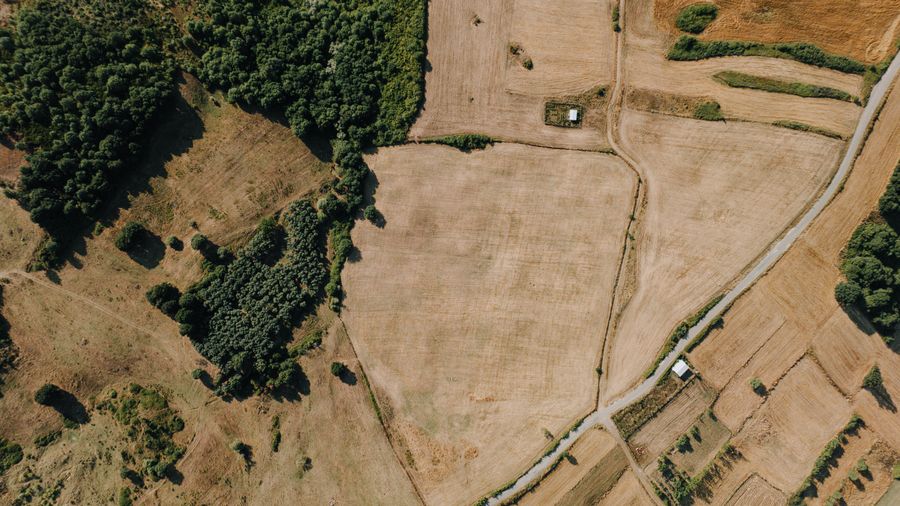
Land fraud in Abuja is not rare. It is common enough that most first-time buyers in FCT know at least one person who paid for a plot and received nothing. The fraud is almost always the same: no title verification, money paid too early, no lawyer involved. This guide covers the process step by step, so you know exactly what to check before you hand over anything.
Why Land in Abuja
Abuja has structural land scarcity that no other Nigerian city has. All land in FCT belongs to the federal government. Every plot was allocated through a controlled process. The AGIS registry holds records of every legitimate allocation. You cannot buy more FCT land than what already exists in the system.
That supply constraint is the investment case. As Abuja grows, available documented land in developed zones becomes rarer. Prices in Kuje, Lugbe, and the Airport Road corridor have moved sharply upward in the past five years. That trend is driven by real demand, not speculation.
For buyers, land in Abuja serves two purposes. Personal use: buy a plot, build when you are ready, or hold while the area develops around you. Investment: buy in a growing corridor, hold three to five years, sell to someone who wants to build.
Both strategies work when the title is clean. Neither works when it is not. The decision to buy in Abuja is usually straightforward. The decision on which plot to buy, and from whom, is where careful buyers separate from expensive mistakes.

Step-by-Step Purchase Process
Step 1: Identify the plot and confirm the physical location. Go to the land. Physically walk the site. Ask the seller to show you the beacons, the corners, and the road access. If the seller cannot take you to the actual plot, that is your first warning sign.
Step 2: Request the title document before any financial commitment. Do not pay a deposit, a holding fee, or anything else before you have seen the original title document. The acceptable title types are a Certificate of Occupancy (C of O), a Right of Occupancy (R of O), or a Governor's Consent on a registered deed of assignment. A developer's receipt or a "commitment letter" is not a title document.
Step 3: Conduct an AGIS title search. The Abuja Geographic Information Systems office maintains the definitive record of all FCT land allocations. A title search confirms that the plot exists in the registry, that the title is active, and that no revocation or encumbrance is on record. This is not a formality. It is the single most important check in the process.
Step 4: Verify the survey plan. Every documented plot has a survey plan with a reference number. Match the survey plan reference to the title document. The boundaries on the survey plan should match what you see when you visit the physical plot.
Step 5: Engage a registered property lawyer. Your lawyer conducts the AGIS search if you have not done so already, prepares the deed of assignment, obtains Governor's Consent for the transfer, and registers the transaction with the FCT Land Administration. That registration is what puts your name on the title.
Step 6: Pay through a documented account. All payments go to a company or personal account with a matching name to the seller on the title document. Get receipts on company letterhead for every transfer. Do not pay cash. Do not pay to a third party who is not named in the transaction.

Documents You Must Verify
Certificate of Occupancy (C of O). The primary FCT title document. Issued by the FCT Administration. Verifiable at AGIS. If a seller cannot produce a C of O or R of O, the plot is either unallocated or the title has been revoked.
Survey plan. A registered surveyor's plan showing the plot dimensions, boundary coordinates, and survey reference number. Match this to the AGIS records.
Deed of assignment with Governor's Consent. When a C of O plot changes hands, the transfer must be approved by the FCT Administration through a Governor's Consent process. A deed of assignment without consent is not legally perfected.
Corporate Affairs Commission registration (for company sellers). If you are buying from a real estate company, verify their CAC registration number. Any registered Nigerian company has a public record at the CAC portal. Pentagon Homes is RC 9023084. Verify that before dealing with us or any other company.
Receipt of development levy and ground rent. Some plots have outstanding fees owed to the FCT Administration. Your lawyer checks this as part of the title search. Unpaid levies do not block the sale, but they become your liability after transfer.

Red Flags to Watch
"I don't have the C of O yet, but it's in process." This is the most common fraud setup in Abuja. No documented title means you have no legal claim. "In process" has no timeline and no guarantee. Walk away.
Pressure to pay a holding deposit before you see documents. Legitimate sellers do not ask for money before you have verified the title. Urgency is a fraud technique. If a seller says another buyer is ready to pay today, let the other buyer have it.
No site visit offered. If you cannot be taken to the physical plot, the plot may not exist or may already be sold to someone else. Always visit before committing.
Price significantly below market. Fraud plots are priced to attract buyers who are comparing prices instead of checking documents. If a Kuje plot is priced at half of what comparable documented plots sell for, ask why before you celebrate.
Sellers who cannot produce the original document. Copies can be forged. Original title documents have AGIS stamps and signatures. Your lawyer and the AGIS search confirm authenticity. If the seller only has photocopies or scanned images, conduct the AGIS search yourself before any payment.

How Pentagon Homes Protects You
Every plot Pentagon Homes sells has been title-verified before it is listed. We do not take a listing without documentation. That is not a policy we invented. It is the only thing that makes our business sustainable. One fraudulent sale destroys a real estate company's reputation in Abuja. We have operated since 2018 with 15 core staff and 30 field marketers precisely because we have not had one.
When you buy through Pentagon Homes, you get a copy of the title document before you commit to anything. You visit the physical site with our field team. Your lawyer receives the full documentation package for independent review. We do not sign anything until you have had that review.
For diaspora buyers who cannot travel, we conduct the site inspection, send video evidence, and provide a written report on the documentation. Nothing is finalised without your approval in writing.
If a plot does not pass our own due diligence, we do not sell it. That has cost us commissions. It is also why clients refer us to their families.

Frequently Asked
See the FAQ section below for answers to common land purchase questions.

Still Not Sure? Send Us a Message.
If you have a plot you want verified, or a question about current available land in Kuje, Lugbe, Apo, or the Airport Road corridor, send us a WhatsApp message or give us a call. We will tell you what we have, what the documentation looks like, and what to watch out for before you pay anyone anything.
Pentagon Homes: +234 (90) 48098852. Open Monday to Saturday.
What buyers usually ask us
What documents do I need to buy land in Abuja?
The seller must provide a Certificate of Occupancy (C of O), Right of Occupancy (R of O), or a Governor's Consent on a registered deed of assignment. You also need to verify a survey plan that matches the physical plot. Never pay without seeing these documents first.
How do I verify land documents in Abuja?
Take the title document to the AGIS (Abuja Geographic Information Systems) office for a title search. This confirms the allocation is genuine, not revoked, and free of encumbrances. A registered property lawyer can conduct this search on your behalf.
What is the difference between a C of O and an R of O in Abuja?
A Certificate of Occupancy (C of O) is issued directly by the FCT Administration for plots allocated to individuals or companies. A Right of Occupancy (R of O) is an older form of title with similar legal standing. Both are acceptable. Governor's Consent on a deed of assignment is required when a C of O plot changes hands.
Can I buy land in Abuja without a lawyer?
You can, but it is not advisable. A registered property lawyer does the AGIS title search, drafts the deed of assignment, obtains Governor's Consent, and registers the new title in your name. Skipping the lawyer saves money upfront and often loses everything in the end.
How long does it take to buy land in Abuja?
From offer acceptance to completed title registration, expect four to ten weeks for a clean transaction. Delays usually come from incomplete documentation on the seller's side or queues at the FCT Land Administration office.